

Overlanding Safety Guide
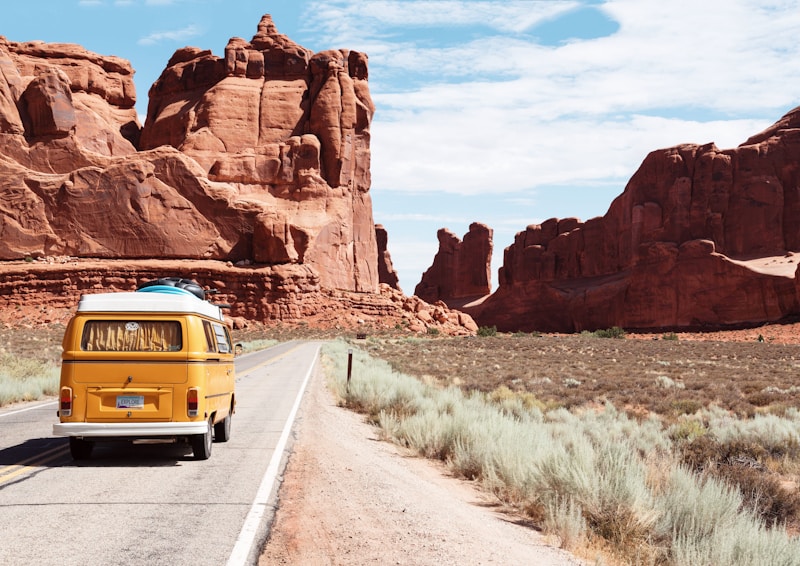
When you're deep into a Bureau of Land Management route, the nearest hospital could be hours away. Cell signal? Forget about it. Out here, a well-stocked first aid kit isn't a nice-to-have — it's a survival essential. You need to be capable of managing injuries without outside help for at least 24–48 hours.
Why BLM Routes Demand Extra Preparation
The BLM manages over 245 million acres of public land across the American West. Many of these routes feature:
- Zero cell coverage for dozens of miles
- 2–6 hours from the nearest emergency services
- Challenging terrain — loose rock, deep sand, steep grades, and water crossings
- Extreme temperature swings — 100°F+ during the day, near freezing at night
- Wildlife hazards — rattlesnakes, scorpions, black widows
1. Basic Wound Care
This is the core of your kit — handling the most common overlanding injuries like cuts, scrapes, and sprains.
| Item | Qty | Purpose |
|---|---|---|
| Sterile gauze pads (4x4") | 20 | Wound coverage & bleeding control |
| Elastic bandages (ACE wraps) | 3 | Sprain support, pressure dressing |
| Medical tape | 2 rolls | Securing gauze and bandages |
| Adhesive bandages (assorted) | 30 | Minor cuts and blisters |
| Butterfly closures / Steri-Strips | 10 | Closing deeper lacerations |
| Triangular bandages | 2 | Arm slings, improvised splints |
| Stainless steel tweezers | 1 | Splinter, cactus spine, tick removal |
| Trauma shears | 1 | Cutting clothing, tape, bandages |
2. Severe Bleeding Control
Sharp rocks, tool mishaps, even vehicle rollovers — the backcountry can produce serious hemorrhaging fast. These items save lives:
- Tourniquet (CAT or SOF-T) — carry at least 2. Learn proper application; incorrect use can cause permanent damage.
- Hemostatic gauze (QuikClot / Celox) — gauze with clotting agents for junctional wounds (neck, armpit, groin) where a tourniquet won't work.
- Chest seals (vented) — for penetrating chest injuries to prevent tension pneumothorax. Pack 2 — one for entry, one for exit.
- Israeli emergency bandage — combines pressure, dressing, and securing in one package.
⚠️ Critical reminder: Owning this gear is only step one. Take a Wilderness First Aid (WFA) or Stop the Bleed course before you hit the trail. Equipment doesn't save people — your skills do.
3. Environmental & Wildlife Threats
🌡️ Heat-Related Emergencies
- Electrolyte powder (Liquid IV, DripDrop, LMNT) — at least 10 packets
- Instant cold packs — 4–6 for rapid cooling during heat stroke
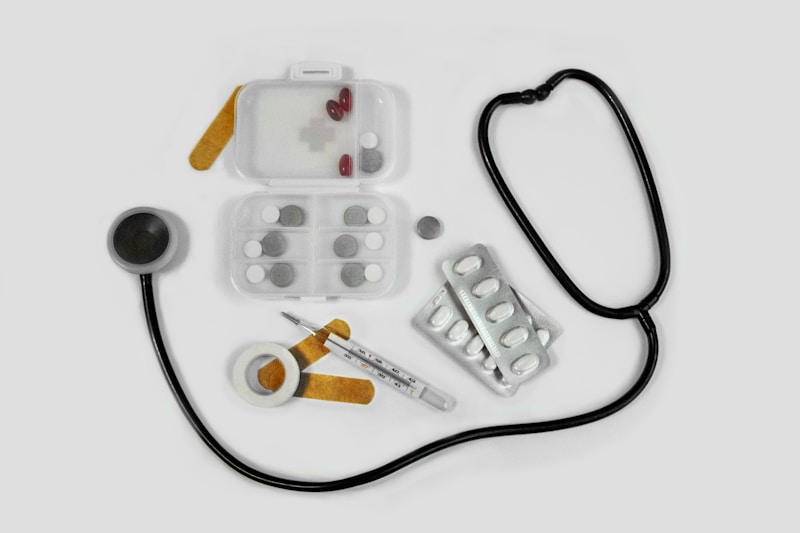
- Thermometer — to assess hyperthermia or hypothermia
- Emergency reflective blanket — silver side out reflects solar heat
🐍 Snake Bites & Stings
- Sawyer venom extractor (limited effectiveness, but worth carrying)
- Diphenhydramine (Benadryl) — antihistamine, 25mg tablets, at least 20
- Epinephrine auto-injector (EpiPen) — essential if anyone in your group has severe allergy history
- Elastic bandage — for pressure immobilization technique to slow venom spread
❄️ Hypothermia
- Emergency mylar blankets — at least 4
- Chemical hand/body warmers — 10 pairs
4. Medications & Pain Management
| Medication | Use | Notes |
|---|---|---|
| Ibuprofen (Advil) | Anti-inflammatory, pain relief | Take with food |
| Acetaminophen (Tylenol) | Fever reduction, pain relief | Do not mix with alcohol |
| Loperamide (Imodium) | Diarrhea | Common with untreated water |
| Antibiotic ointment (Neosporin) | Wound infection prevention | Apply at every dressing change |
| Hydrocortisone cream | Bug bites, rashes, itching | Not for open wounds |
| Artificial tears (eye drops) | Flushing dust and debris | Desert essential |
5. Fractures & Spinal Immobilization
Rough washboard roads, rock crawling, or a simple slip on loose gravel — fractures happen more than you'd think out here.
- SAM splints — moldable aluminum splints that can stabilize anything from a finger to a lower leg. Carry 2.
- Cervical collar (C-Collar) — for suspected neck injuries, keeps the cervical spine stable until rescue arrives.
- Extra tape and elastic bandages — combine with trekking poles, branches, or any rigid material for improvised splinting.
6. Communication & Rescue
No matter how complete your kit is, some situations demand professional help. On BLM land with zero signal, these devices are your lifeline:
- Satellite communicator (Garmin inReach / ZOLEO) — sends SOS with GPS coordinates, two-way messaging. The single most important piece of gear you can carry.
- Personal locator beacon (PLB) — one-button global distress signal, no subscription required.
- Signal mirror and whistle — the most primitive but reliable rescue tools. No batteries needed.
- Waterproof marker and casualty cards — document vital signs, medications given, and timestamps to hand off to rescue teams.
✅ Pro tip: Before every trip, share your route plan and expected return time with at least two people. If you don't check in on time, they're your first safety net.
Complete Packing Checklist
☐ Sterile gauze pads x20
☐ Elastic bandages x3
☐ Medical tape x2
☐ Adhesive bandages x30
☐ Butterfly closures x10
☐ Triangular bandages x2
☐ Tourniquets (CAT) x2
☐ Hemostatic gauze x2
☐ Chest seals x2
☐ Israeli bandage x2
☐ Electrolyte packets x10
☐ Instant cold packs x6
☐ Mylar blankets x4
☐ Chemical warmers x10 pairs
☐ SAM splints x2
☐ Ibuprofen
☐ Acetaminophen
☐ Diphenhydramine
☐ Antibiotic ointment
☐ Satellite communicator
☐ Whistle & signal mirror
☐ Casualty cards & marker
Final Thoughts
On remote BLM routes, you are your own first responder, medic, and rescue team. A well-built first aid kit paired with basic trauma skills is the line between a close call and a catastrophe.
Don't wait until you need it to wish you had it. Build your kit today, check expiration dates before every trip, and then go chase those views that only overlanding can reach.
— Travel safe. Come home safe. —
